
Yes, I have a death coach.
Not to deal with the feelings of death (although that is awesome) but she helps me know the social etiquette around death and funerals.
I used to think things were done differently in the South (like always bring food) but over time I’ve come to realize that it was just that my Mom avoided having funerals or letting me go to funerals or talk about funerals.*
I didn’t know the customs.
But now I do.
I will call my death coach on the phone and say, “Neighbor, never met him, saw his wife once a year at Halloween… go!” And she would spit out, “Chicken pot pie, funeral service optional.”
She is never wrong.
But now it’s her mother who died.
So, I have no reference.
I called her and said, “I need to know what to do for you since you are my death coach.” She said, “Nothing, since we aren’t having the service until next month.”
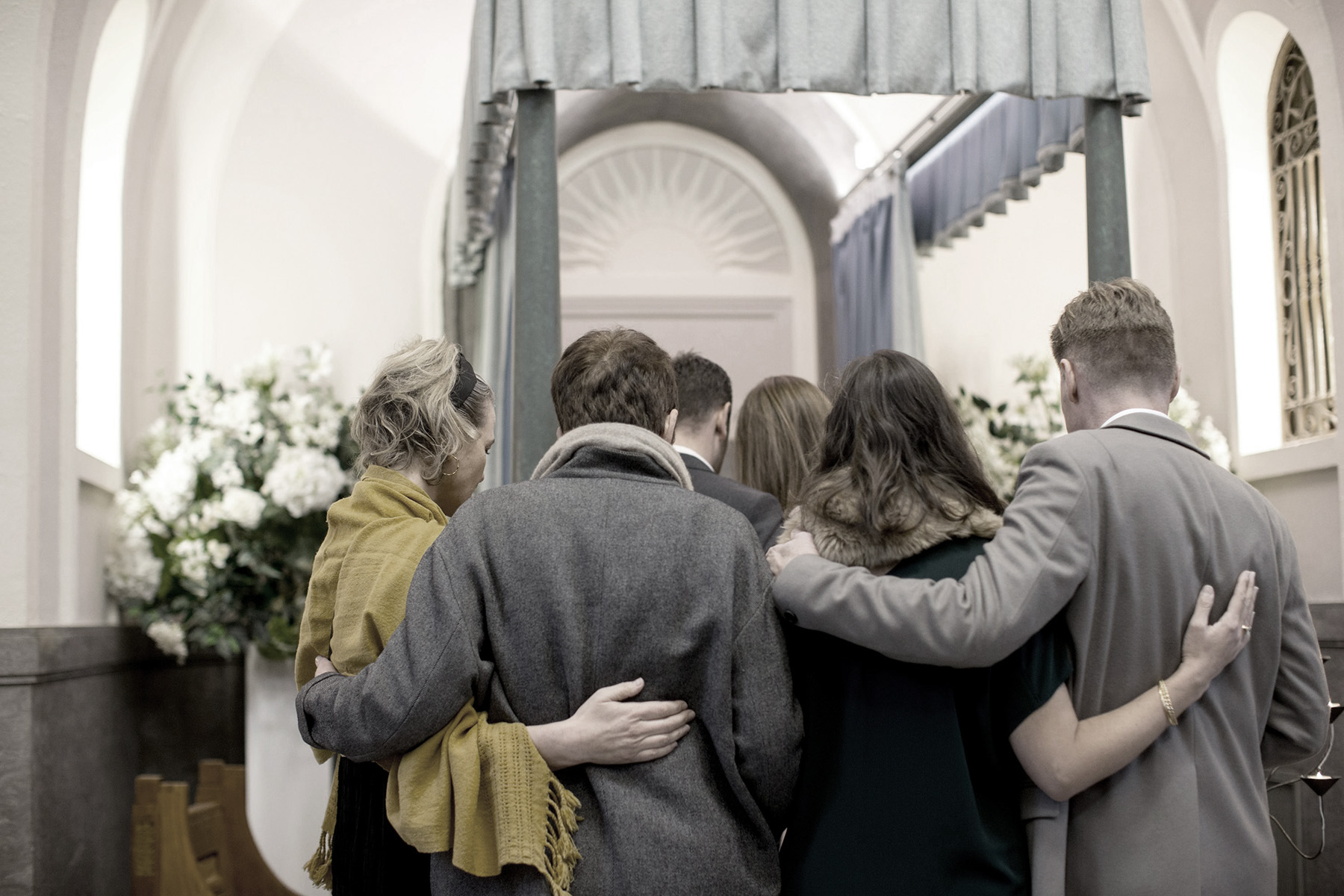
But I have learned from the master. So, I brought her a chicken pot pie… her mother’s recipe. And for the service/celebration of life I will take a professional photo of the extended family.
I also learned another lesson from her dear old friend who is staying with me while in town for the service. She told me that whenever you are invited to a wedding or hear about a funeral, go.
They are one of life’s milestones.
Give support just by being.
I like that.
I can do that.
When I know better I do better.
Wishing you all the kind of coach you need.
*I will mention that Mom has never had a problem talking about her own funeral. If she really liked someone she would invite them to perform… perhaps to sing a song or do something funny.
Maybe she just needed her own death etiquette coach.

Once you know this, you can’t not see it.
In a landmark 1995 study, bronze medalists appear happier than silver medal winners.
Why?
When they thought about the alternative outcome, THAT created their level of happiness.
When the silver medalists thought of an alternative outcome, it was winning gold.
When bronze medalists thought of an alternative outcome, it was zippo… not winning any medal.
I just saw Bobby Finke disappointed in his silver medal swim. He wanted the gold.
A key component of this phenomenon is that for humans, the pain of loss is more psychologically powerful than a gain of the same intensity.
We are wired to avoid pain.
I noticed it while watching the men’s Olympic gymnastics team finals. China was stunned (not in a good way) when they won the silver, but team USA was ecstatic when they won the bronze.
So fun to watch.
I still think it would be surreal to win a silver medal.
But then, I am comparing it to not even being in Paris.
That’s my perspective.
On to the next event.

Most things that are hard to do are not actually hard to do.
They are just made up of a bunch of small things that we do consistently for a long time.
Raising children: consistency for a long time.
College: consistency for years.
Career: consistent for a long, long time.
Climbing a mountain: practicing hand holds and balance over and over and over.
The other type of hard thing is not made up of a bunch of small things.
They feel difficult because they involve a bad feeling.
Telling someone you are breaking up with them.
Facing a serious illness.
Understanding dark matter and string theory.
So, there are two types of hard things.
One you master by doing small things repeatedly with consistency.
The other you get through by being willing to feel all the feelings.
Figure out which you are facing and you have a strategy.
(Sometimes it’s both.)
Either way, you’ve got this.